

Tissue Engineering and Regenerative Medicine
Overview
Get to know what tissue engineering and regenerative medicine is and how it is used in the betterment, restoration and strengthening of organ and tissue function. This is done with the development bioreactors, scaffolds and more.
Tissue engineering (TE)
Is a swiftly expanding specialty which aims to enhance the roles or the human body or replace different biological tissues, combining the understandings of physics, biology and chemistry. Can create cartilage, fat cells and stem cells to help in regenerating tissues.
Regenerative tissue and Medicine
Is the regrowth of damaged tissue or organs due to an injury. This is assisted by TE by using scaffolds and cells to create new cells and tissues that carry out the usual functions of the damaged the cells or tissues.
Thus, regenerative medicine is an expression used to display the growing medical field of regenerative tissues and replacing damaged cell components.
Components in TE include:
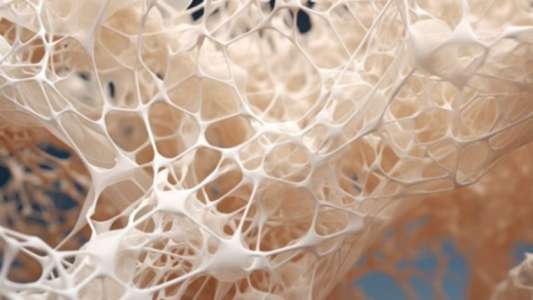
- Scaffolds
Three-dimensional structures that act as a template for cell growth, attachment and structural support. Often made from both natural and synthetic biocompatible materials such as polylactic acid and are designed to deteriorate at a speed that matches the formation of the new tissue. One requirement of a scaffold is that it should allow efficient transport of oxygen and nutrients into the core of the cells and should also support the removal of waste products
- Bioreactors
Especially designed for assisting in the growth and development of different cells and tissues. It provides a controlled environment that copies the conditions needed for the maturation of the individual cells and tissues. It should be noted that there are various types of bioreactors present such as compression, perfusion, stretch and more. A few functions of a typical bioreactor include:- Environment control to ensure perfect physical conditions for the development of such body structures.
- Nutrient supply and removal of waste so that the development of cells can be done efficiently.
- Biochemical stimulation to supply and deliver necessary biochemical signals, hormones etc.to the contents in the bioreactor.
Thus, different cells can be successfully controlled by changing their environments.
- Cell Sources
Different types of cells can be regenerated for clinical and medicinal purposes. Such cells can be classified into stem cells and differentiated cells.- Stem cells are unspecialized cells that do not have any specific functions. These include, induced pluripotent cells (iPSCs) which are cells that can be made directly from a somatic cell, embryonic stem cells (ESCs) which come from embryos that are a few days old (about 3 to 5 days old) and adult stem cells that are found around the body which divide by cell division to replace old and worn-out cells.
- Differential cells are stem cells that divide and differentiate to become specialized to perform specific functions only, such as Chondrocytes for cartilage.
Applications of Tissue Engineering and Regenerative Medicine
- Healing of wounds and skin: making of different skin substitutes or replacements forburn or traumatic injury victims
- Regeneration of nerve and organs: Develop and repair spinal cord injuries, damaged nerves and organ replacements such as liver and kidney.
- Bone and cartilage regeneration: Repair and replace damaged bone and cartilage tissues.
- Cardiovascular tissue engineering: Create and develop potential solutions for heart diseases such as heart valves, blood vessels etc.
- Regenerative dentistry: solve various dental cases by regenerating tissues such as dentin, enamel and pulp.
Conclusion
Although, tissue engineering and regenerative medicine is already a very complex and successful field that opens new solutions to existing medical and healthcare problems each day, there are still many advancements that are to be made to such a field to efficiently and successfully solve more intense issues in healthcare and thus further research is needed for this.
Written by: Ammiyla Sarwar